EMPOWERING EDUCATORS AT
COPENHAGEN BUSINESS SCHOOL
COPENHAGEN BUSINESS SCHOOL


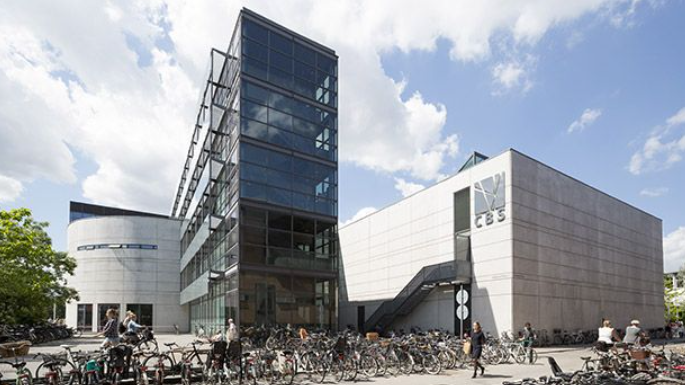
Artificial intelligence is no longer a future consideration for higher education. It is already part of how students study, write, reflect and prepare for exams. This reality framed Innovating Teaching and Learning at CBS – AI in Business Education, held on 11 December 2025 at Solbjerg Plads.
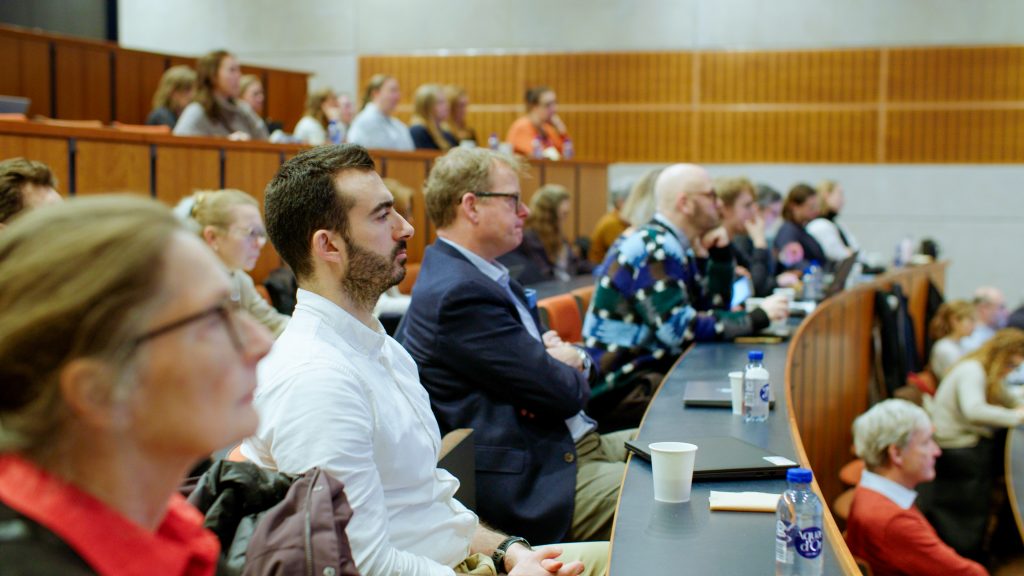
The event brought together faculty and professional staff from across CBS to explore what this shift means for teaching, learning and assessment. The day was designed as a shared learning space: a place to test assumptions, surface tensions and learn from one another’s experiments and concerns.
The short video below captures moments from the day and the atmosphere in which the discussions took place.
🎥 Event Video – Innovating Teaching & Learning, EDQ
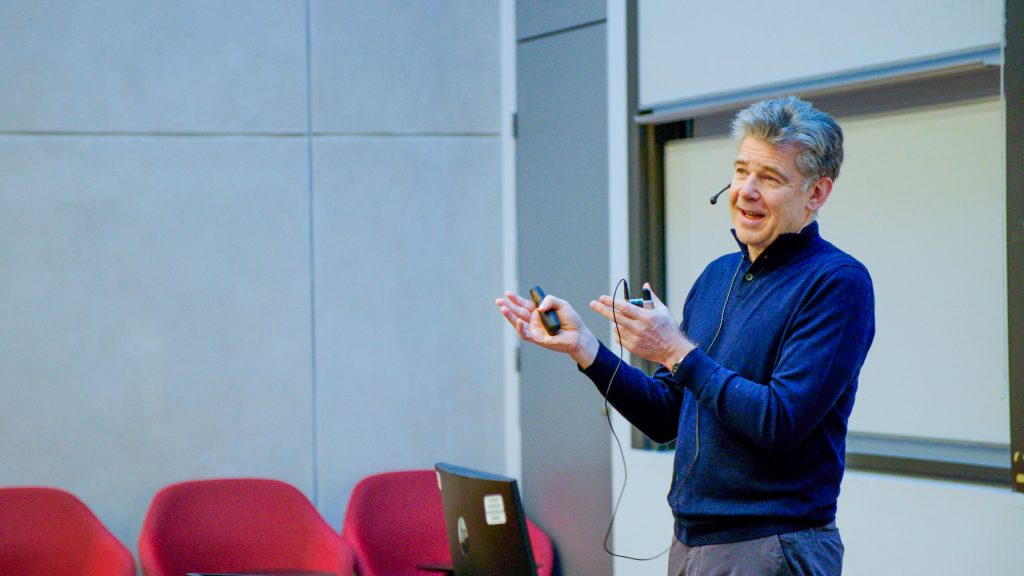
In his keynote, David Lefevre (Imperial College London) framed generative AI as a technology shock: unlike earlier educational technologies, it entered universities through students’ everyday practices rather than institutional planning. His message was not that universities are becoming obsolete, but that familiar approaches to teaching and assessment need to be reconsidered. The challenge, he argued, is not hypothetical future AI, but the AI already embedded in students’ learning and the need for educators to develop shared judgement about where human expertise still matters most.
Across the parallel tracks, this message became concrete.
Discussions on assessment and examinations highlighted how difficult but necessary it is to revisit learning objectives before redesigning exams. Participants described assessment redesign as “learning to walk again,” particularly when balancing academic integrity, student rights and realistic workloads. There was broad agreement that no single exam format solves the AI challenge; intentional alignment does.
Sessions on authentic learning and external engagement showed how project-based and experiential learning can remain robust in an AI-rich environment. When assignments involve real-world complexity, collaboration and judgement, AI becomes a tool for exploration rather than a shortcut to answers.
In the track on AI-enhanced feedback, participants explored how AI might support formative feedback and reflection at scale. Interest was high, but so were practical concerns: time to set up tools, staff training, reliability, data protection and alignment with learning goals. The key insight was that AI can strengthen feedback but only when its role is clearly framed and supported.
The track on student AI literacy shifted attention to the transition into CBS. Participants emphasised that AI literacy is not a technical skill alone but a contextual competence: knowing when and how to use AI, how to verify outputs and how to act with academic judgement. Uneven student practices, policy uncertainty and equity concerns surfaced repeatedly, alongside recognition of the library and learning support services as trusted spaces for guidance.
Two scenario-building workshops invited participants to step back from tools and consider the bigger picture.
One focused on hopes and concerns for the future of CBS and higher education. Discussions returned again and again to the value of face-to-face teaching, not for content delivery, but for sense-making, dialogue, and professional socialisation. At the same time, participants expressed concern about cognitive offloading, student anxiety and efficiency-driven narratives that risk hollowing out learning.
The other workshop explored how AI might support Nordic Nine reflections across programmes. Participants saw potential in using AI to make the “red thread” of competencies more visible across semesters and to connect learning more clearly to societal impact. Practical barriers such as time, coordination and clarity around what can be uploaded, reminded everyone that coherence requires more than good ideas.
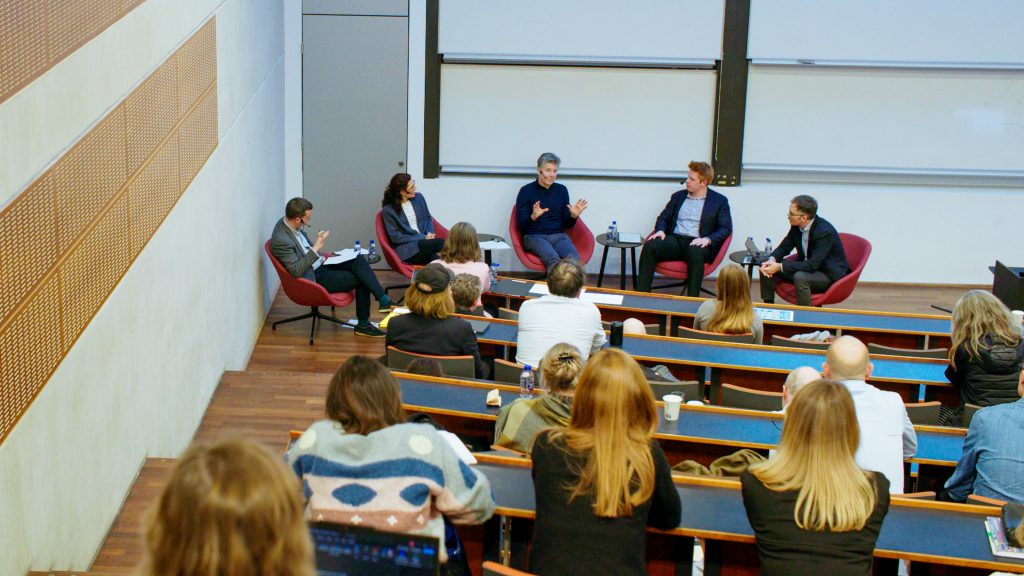
The day concluded with a fireside chat involving the President of CBS Peter Møllgaard, the Dean of Education of CBS Anna Thomasson, the Professor David Lefevre of the Imperial College Management School David Lefevre and CBS AI president Nicklas Lollike Bay Hampe. A clear message emerged: experimentation is necessary but it must be supported and shared. Students are already power users of AI and should be partners in shaping how it is integrated into teaching. Governance matters but so does the willingness to tolerate some uncertainty while learning what works.
Across keynotes, tracks, workshops and discussions, one shared insight stood out: AI is already part of the learning environment and CBS cannot treat it as a side issue. The real challenge is not whether to engage with AI but how to do so deliberately by clarifying what we want students to learn, redesigning assessment and feedback accordingly and supporting student AI literacy as a baseline academic competence.
This work is ongoing. But the conversations started at Innovating Teaching and Learning at CBS suggest that the path forward is not about choosing between “ban” or “embrace” but about designing learning with intention and doing so together.
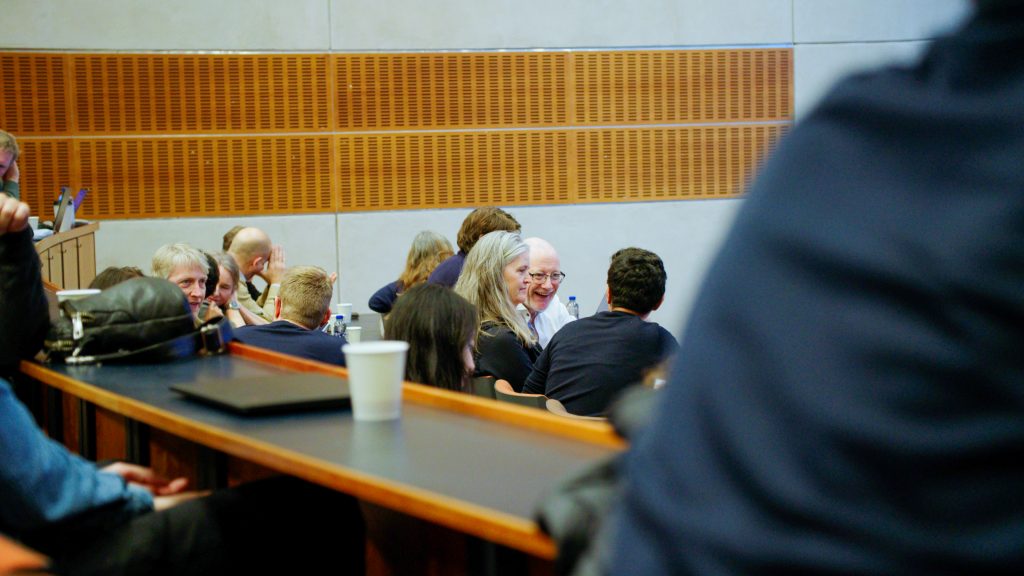
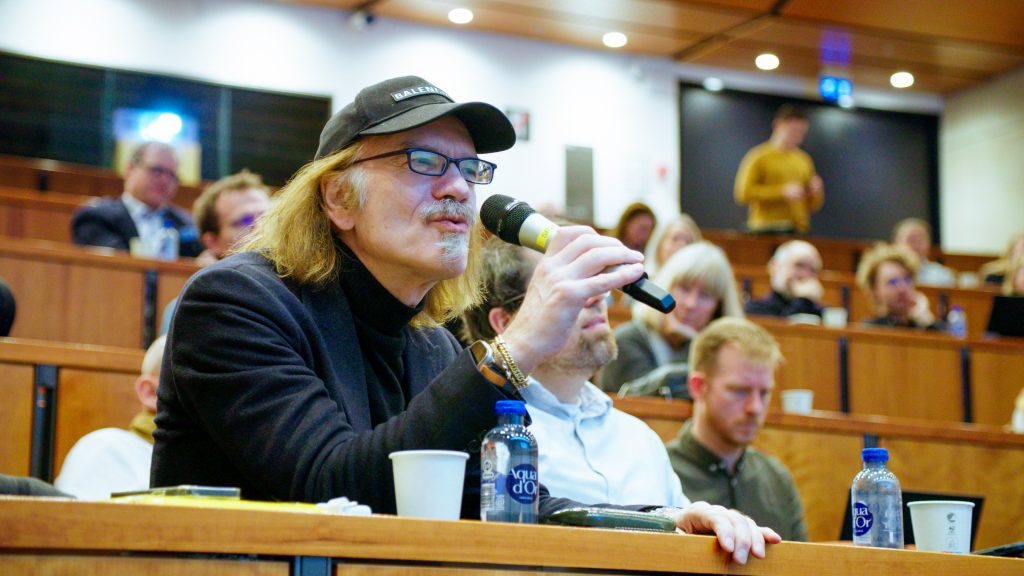
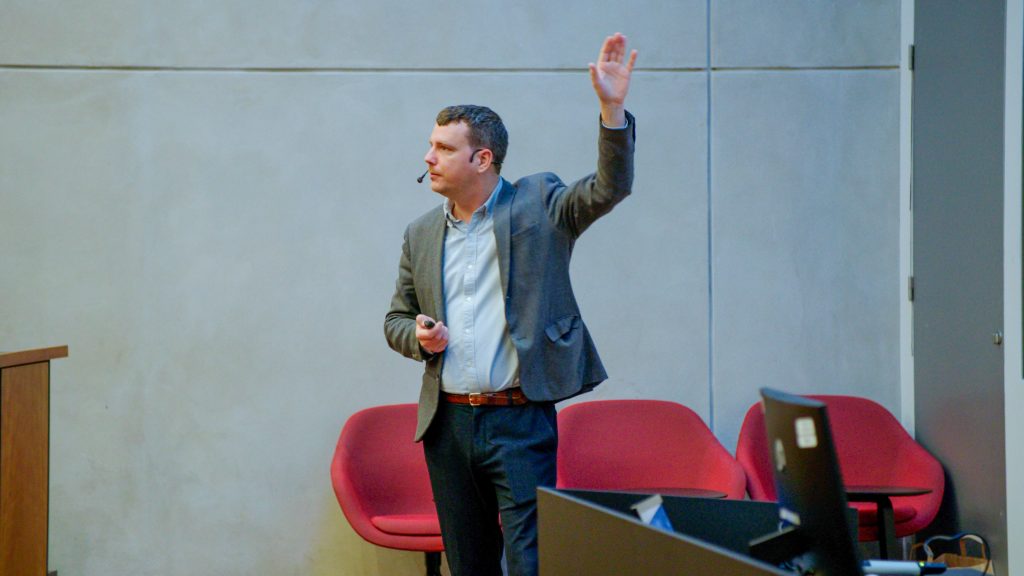
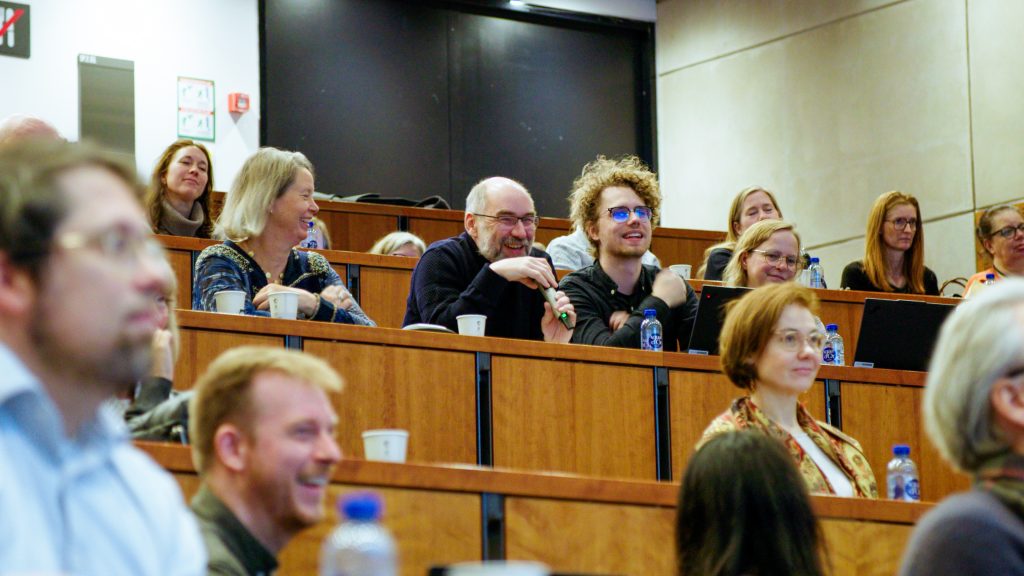
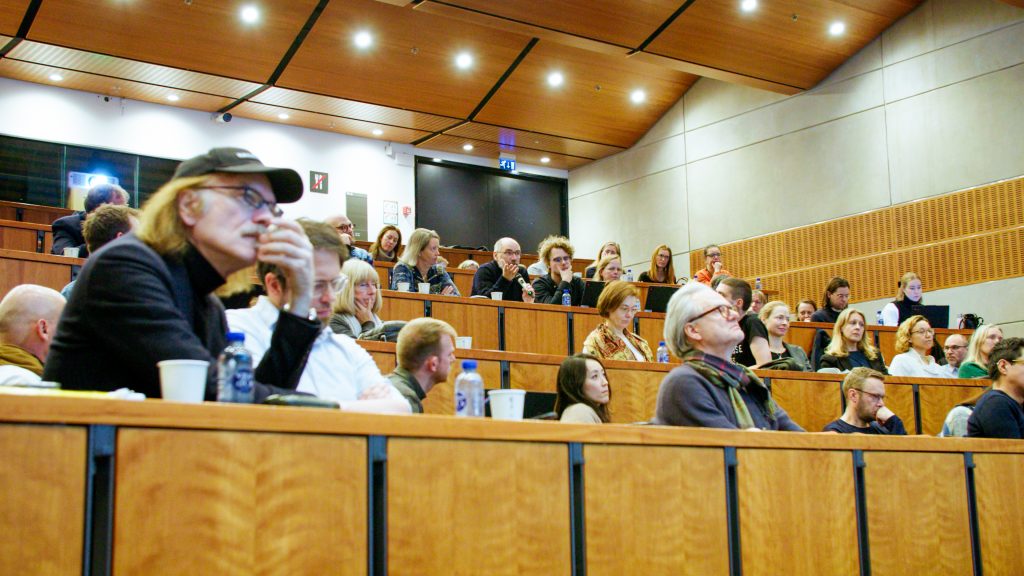
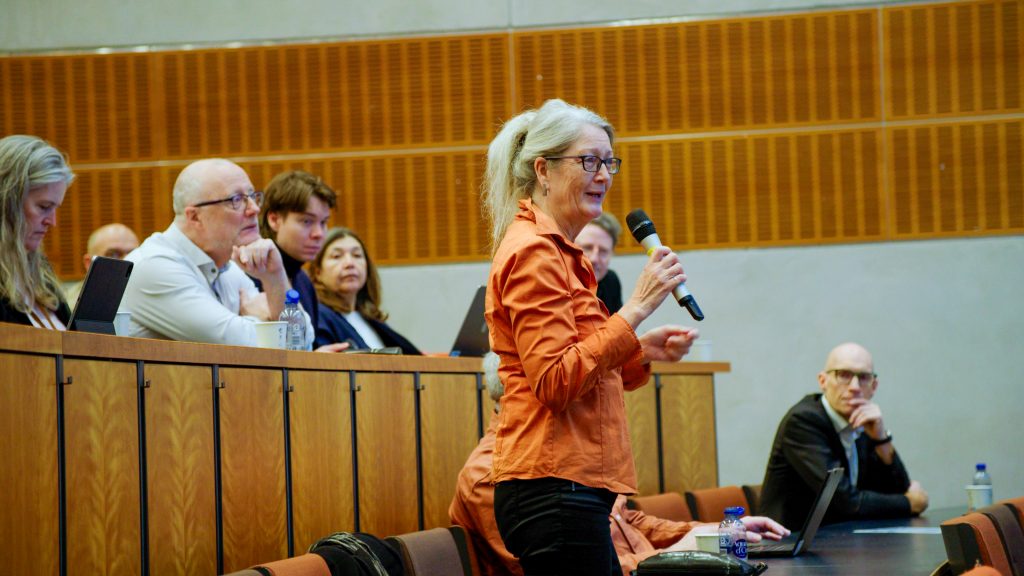
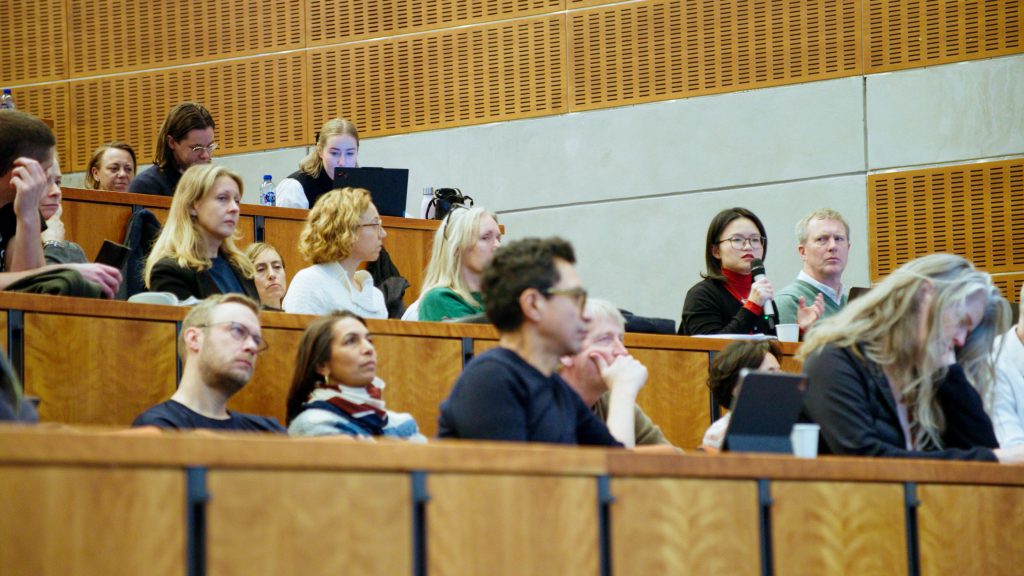
Below are a few moments from the day, capturing the conversations and shared work that informed the reflections outlined above.